
Intel Celeron G3900
4.6Editor score
Dual core performance
Low power consumption
Affordable price point
This guide compares the top low power CPU options for efficient computing, covering performance, thermals, and value for home servers and workstations.
Low power CPUs are essential for building efficient systems that consume less electricity while delivering reliable performance. These processors are ideal for home servers, NAS units, and office workstations where heat and noise matter.
We analyzed ten top-rated low power CPUs based on core counts, thermal design power, and user reviews. Each product offers unique strengths for different budgets and use cases ranging from basic computing to virtualization tasks.
Every pick includes key specifications and real-world performance insights to help you choose wisely. Prices fluctuate often so verify current deals before purchasing to ensure you get the best value for your specific needs.
4.6Editor score
4.7Editor score

4.1Editor score
This table provides a side-by-side comparison of all ten low power CPU options to help you identify the best fit for your specific computing requirements and budget constraints quickly.


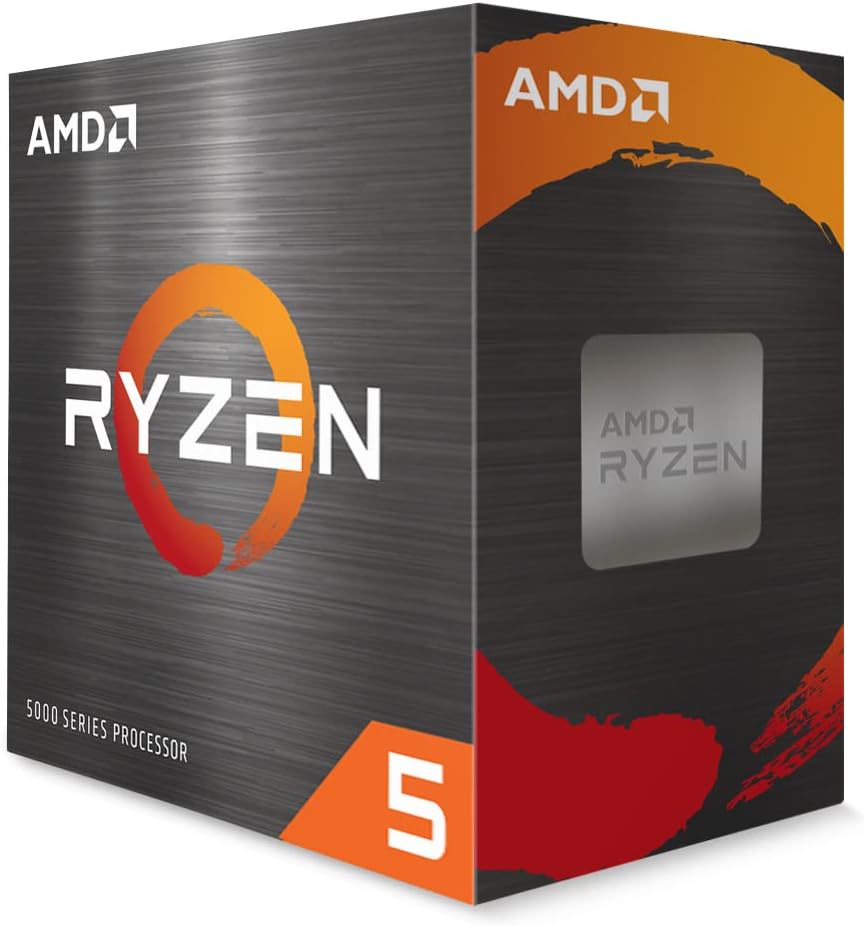
The AMD Ryzen 5 5500 stands out as a top choice for users needing balanced performance without excessive power draw. Its 4.7 rating reflects strong user satisfaction across gaming and productivity tasks.
We may earn a commission when you buy through this link, at no additional cost to you.
Six cores and twelve threads deliver smooth multitasking while the 4.2GHz boost clock handles demanding applications efficiently. The bundled Wraith Stealth cooler ensures low noise levels during standard operation.
While it requires a discrete graphics card, this trade-off allows for significant power savings compared to higher wattage chips. The unlocked nature permits modest overclocking for additional headroom.
Buy this if you want a reliable daily driver for work or casual gaming. It offers exceptional value among low power options with proven performance and robust cooling solutions included.
The 6-core architecture maximizes throughput while keeping thermal output low for quieter system operation.
Compatibility with existing AM4 motherboards simplifies upgrades without needing a full system rebuild.
We may earn a commission when you buy through this link, at no additional cost to you.
This Mini-ITX motherboard bundle integrates an 8th generation U-series quad-core CPU designed specifically for low power server tasks. With a 15W TDP, it delivers efficient performance ideal for NAS or firewall appliances.
We may earn a commission when you buy through this link, at no additional cost to you.
Dual 2.5GbE network ports provide high-speed connectivity for multiple clients while eight SATA ports support expansive storage needs. The compact size fits perfectly into tight enclosures without sacrificing capability.
Virtualization support via VT-x and VT-d ensures smooth operation for running multiple lightweight instances simultaneously. However, users should note potential sleep mode bugs requiring patience during boot phases.
Select this for specialized home lab or industrial applications where energy efficiency and network throughput are critical. It represents a premium solution tailored for professionals needing reliable low power computing infrastructure.
Dual 2.5GbE ports offer stable high bandwidth connections essential for media streaming or multi-device environments.
The 15W TDP significantly reduces electricity costs over time compared to standard desktop processors.
We may earn a commission when you buy through this link, at no additional cost to you.
The Intel Celeron G3900 provides a cost-effective entry point for low power computing needs with solid reliability. Its 4.6 rating indicates consistent performance for basic office and web browsing tasks.
We may earn a commission when you buy through this link, at no additional cost to you.
At 2.80GHz base speed, it handles everyday applications smoothly while maintaining minimal power draw. The dual-core structure ensures adequate responsiveness without requiring advanced cooling solutions.
This processor is best suited for simple setups where high performance is not the primary goal. The price point makes it accessible for bulk deployments or budget-conscious builds.
Choose this for secondary PCs or kiosks where efficiency and cost are paramount. It delivers stable low power performance for users who need a dependable system without high overhead.
Pricing allows for complete system builds at very low entry costs for basic computing needs.
Ideal for document processing web browsing and media playback without unnecessary complexity.
We may earn a commission when you buy through this link, at no additional cost to you.
The Intel Core i7-6700T offers reliable low power performance for users upgrading existing systems or building budget friendly workstations. Its 4.5 rating reflects enduring utility despite its age.
We may earn a commission when you buy through this link, at no additional cost to you.
Designed specifically for lower power consumption, it maintains smooth performance for general computing tasks. The tray packaging reduces costs for builders who already have cooling solutions available.
While it is an older generation, its efficiency remains competitive with modern entry level options in some scenarios. It serves as a solid bridge for those maintaining legacy infrastructure.
Pick this if you need a stable low power CPU for light office work or home media centers. It balances cost and performance well for users with specific legacy compatibility requirements.
Compatible with older motherboards allows for cost-effective system refreshes without full replacements.
The T variant ensures lower thermal output making it suitable for small form factor cases.
We may earn a commission when you buy through this link, at no additional cost to you.
The Intel Celeron G5900 delivers a solid entry-level experience with a respectable 3.4GHz base clock for its class. Users appreciate its reliability and compatibility with modern 400 series chipsets.
We may earn a commission when you buy through this link, at no additional cost to you.
With 58W TDP it balances power consumption and performance effectively for daily tasks. The lack of integrated graphics requires a basic GPU but keeps costs manageable for simple setups.
Support for Intel Optane Memory can enhance storage responsiveness on compatible systems. This feature adds value for users looking to boost system speed without upgrading to SSDs immediately.
This CPU is best for basic home PCs where speed and efficiency are priorities. It provides a reliable foundation for users needing modern connectivity without excessive power consumption.
3.4GHz base speed ensures quick responsiveness for standard applications and web browsing tasks.
LGA1200 socket compatibility ensures access to current motherboard features and BIOS updates.
We may earn a commission when you buy through this link, at no additional cost to you.
The Intel i7-2600S remains a viable option for specific low power builds requiring older DDR3 compatibility. Its 3.9 rating suggests users find it adequate for light tasks despite its vintage status.
We may earn a commission when you buy through this link, at no additional cost to you.
Designed for efficiency, the S-series reduces power consumption while maintaining performance levels comparable to higher wattage chips. This makes it ideal for small form factor systems needing steady operation.
The optimized cache subsystem provides decent multi-threaded performance for its era. While outdated by modern standards, it serves niche markets needing stable low energy consumption.
Choose this for retro builds or budget office PCs where energy savings are critical. It offers reliable low power performance for users not requiring cutting-edge architecture or speeds.
Optimized cache subsystem improves data retrieval speeds for smooth processing of everyday applications.
Lower power draw results in minimal heat generation allowing for passive cooling solutions.
We may earn a commission when you buy through this link, at no additional cost to you.
The AMD Athlon 200GE brings reliable everyday computing with integrated Radeon Vega graphics for basic multimedia tasks. Users appreciate its 4.4 rating for consistent performance without needing a separate GPU.
We may earn a commission when you buy through this link, at no additional cost to you.
With 3.2GHz clock speed and two cores plus four threads it handles standard office applications smoothly. The included near-silent cooler ensures quiet operation in home environments.
Its platform-upgradable nature means future upgrades to Ryzen processors are possible on the same motherboard. This flexibility adds long-term value for budget-conscious builders planning future expansions.
Select this for living room PCs or entry-level workstations. It balances low power efficiency with the ability to play casual games and stream media effectively.
Radeon Vega 3 provides smooth video playback and casual gaming without dedicated GPU costs.
Upgradable AM4 platform allows switching to more powerful CPUs without changing the motherboard.
We may earn a commission when you buy through this link, at no additional cost to you.
This variant of the Intel Celeron G3900 is optimized for low power consumption with a 51W TDP making it suitable for compact systems. Its 4.1 rating reflects stable performance for routine tasks.
We may earn a commission when you buy through this link, at no additional cost to you.
Integrated Intel HD Graphics 510 handles video output and basic display needs without extra hardware. Support for ECC memory ensures data integrity for servers or specialized workloads.
The CPU only packaging requires separate cooling and thermal paste but keeps the price low. It serves well for applications where reliability and low power are more important than raw speed.
Choose this for small office servers or embedded projects needing stability. It provides a reliable low power foundation for users requiring specific memory error correction features.
Support for ECC memory ensures data reliability for servers handling sensitive or critical information.
51W TDP minimizes electrical costs making it suitable for 24/7 operations.
We may earn a commission when you buy through this link, at no additional cost to you.
The Intel Celeron G4900 delivers reliable entry-level performance with a 3.1GHz base clock for smooth daily operation. Its 4.3 rating indicates consistent user satisfaction for office and web tasks.
We may earn a commission when you buy through this link, at no additional cost to you.
With 54W TDP it maintains balanced power consumption suitable for quiet home environments. The included thermal solution ensures adequate cooling without additional purchase requirements.
Compatibility with 300 series chipsets provides access to modern features without high costs. It is an ideal choice for those needing a dependable low power processor.
Select this for simple desktop builds or light computing tasks. It offers stable low power performance at a reasonable price point for everyday users.
Thermal solution included reduces setup complexity and ensures effective heat management out of the box.
54W TDP provides efficient performance while keeping energy costs low for daily usage.
We may earn a commission when you buy through this link, at no additional cost to you.
The Intel Celeron G5905 stands out with a high 3.5GHz base speed offering fast responsiveness for basic tasks. Its 4.5 rating reflects user satisfaction with its speed and efficiency.
We may earn a commission when you buy through this link, at no additional cost to you.
The boxed package includes necessary cooling for reliable operation without extra costs. This makes it straightforward for users building compact office PCs or home systems.
While limited to two threads, the high clock speed ensures applications launch quickly. It serves as a powerful low power option for users prioritizing speed over core count.
Choose this for light duty tasks requiring quick launch times. It delivers a balanced low power solution for modern systems needing reliable performance.
3.5GHz base frequency ensures quick application launches and smooth operation for daily software.
Boxed package includes cooler and thermal paste to simplify setup for first-time builders.
We may earn a commission when you buy through this link, at no additional cost to you.
Selecting the right low power CPU involves balancing performance needs with energy efficiency and budget constraints.
TDP indicates maximum heat output so choose lower values for fanless or silent builds. Aim for under 65W for true efficiency in standard cases.
Prioritize low TDP processors if heat management is a priority.
More cores help with multitasking but often increase power draw. Match core count to your workload such as two for browsing or six for productivity.
Select cores based on intended usage to avoid waste.
Ensure the CPU socket matches your motherboard to avoid unnecessary upgrades. AM4 and LGA1200 offer flexibility while older sockets limit future options.
Check motherboard support before buying to save time.
Integrated graphics eliminate the need for a discrete GPU reducing overall power use. Radeon Vega and Intel HD Graphics cover most daily needs efficiently.
Use integrated graphics for cost and power savings.
Choose platforms like AM4 that allow easy upgrades to stronger CPUs later. This extends system life and improves long-term value.
Prioritize flexible platforms for future-proofing.
Balance initial cost against long-term energy savings and performance. Budget models are great for basic use but mid-range offers better multitasking.
Look for value over lowest price.
Low power CPUs often use standard coolers reducing noise and complexity. Ensure your case supports the cooler for quiet operation.
Select low noise cooling for comfort.
Define whether you need a NAS, workstation, or home PC to narrow choices. Specialized needs like virtualization require specific features.
Match CPU to primary use case.
Install the CPU correctly in the socket ensuring proper orientation to prevent damage. Use thermal paste if not pre-applied to ensure efficient heat transfer.
Maintain airflow inside your case with clean fans to keep temperatures low. Dust buildup can block airflow causing unnecessary stress on components.
Regularly update drivers and BIOS to optimize performance and power efficiency. Proper care ensures long-term stability and energy savings.
A low power CPU is designed to use less electricity than standard processors. They are ideal for silent computers and systems needing to run efficiently.
Some low power CPUs work for light gaming but you need a discrete GPU for modern titles. Integrated graphics on Ryzen models offer better entry level performance.
Yes they typically produce less heat due to lower power draw. This reduces noise levels and simplifies cooling requirements for your system.
It depends on the socket and motherboard. Choose flexible platforms like AM4 to allow future upgrades without changing the whole system.
AMD often offers better multi-threaded performance while Intel excels in single-core efficiency. Compare specific models based on your needs.
Look for TDP ratings below 65W for true low power benefits. Lower numbers mean less heat and electricity usage over time.
No but you must match the CPU socket. Most modern boards support standard low power chips without extra hardware.
We recommend the AMD Ryzen 5 5500 for balanced power and performance or the Mini-ITX bundle for specialized server needs. Budget users will find great value in the Intel Celeron series.
Prioritize TDP and socket compatibility to ensure your system meets efficiency goals. Balancing these factors leads to the best long-term satisfaction.
Always check current prices and availability before buying to secure the best deal for your low power CPU needs.