
KARDIAMOBILEKardiaMobile
4.4Editor score
Simple finger placement use
No Bluetooth or cords needed
30-second rhythm results
This guide compares the top 10 heart rate monitors for arrhythmia detection, evaluating EKG accuracy, lead types, and subscription needs to help you choose
Managing heart health requires reliable tools for detecting irregular rhythms. A quality heart rate monitor for arrhythmia offers precise data that empowers you to track patterns and share insights with your physician effectively.
We evaluated ten leading devices based on clinical accuracy, ease of use, and feature sets. Our comparison focuses on medical-grade EKG capabilities, battery life, and compatibility with modern smartphones for seamless health tracking.
Each selection highlights specific strengths for different user needs, from spot checks to continuous monitoring. Prices and availability fluctuate, so verify current details before purchasing to ensure you get the best value for your health goals.
4.4Editor score

4.4Editor score

3.6Editor score
The following table provides a side-by-side overview of key specifications and capabilities for each device on our list. This helps you quickly identify which model aligns with your specific monitoring needs and technical preferences.





The KardiaMobile 6L EKG stands out as a top choice for those seeking medical-grade accuracy without ongoing fees. With a rating of 4.4, it offers a six-lead EKG that captures significantly more data than standard single-lead devices.
We may earn a commission when you buy through this link, at no additional cost to you.
Its ability to detect AFib, Bradycardia, and Tachycardia in just 30 seconds makes it highly practical for regular monitoring. The FDA-cleared determinations ensure that the results you receive are clinically relevant and trustworthy for sharing with your doctor.
While it requires a smartphone app and is not recommended for pacemaker users, these limitations are minor compared to the value it provides. The lack of a subscription requirement is a major advantage, allowing unlimited recordings without extra costs over time.
If you prioritize detailed heart rhythm data and want a device trusted by cardiologists, this is the ideal selection. It balances professional-grade capabilities with user-friendly design, making it the best overall option for arrhythmia monitoring.
The six-lead system offers a more comprehensive view of your heart's electrical activity, helping to identify issues that single-lead devices might miss.
By eliminating the need for a subscription, you gain access to professional-level EKG analysis without recurring monthly fees, saving money in the long run.
We may earn a commission when you buy through this link, at no additional cost to you.
For users seeking a straightforward and affordable solution, the KARDIAMOBILEKardiaMobile offers excellent value. Its simplicity is its greatest strength, requiring no cords, Wi-Fi, or complex setup to start monitoring your heart rhythm.
We may earn a commission when you buy through this link, at no additional cost to you.
The device works by placing your fingers on the sensors, delivering results in 30 seconds. This makes it perfect for quick checks when you feel symptoms, without needing to pair with a phone or download apps immediately.
While it lacks the advanced features of the 6L model, it effectively identifies normal sinus rhythm versus irregularities. The absence of subscription fees ensures that the low upfront cost remains the total cost of ownership for years.
This model is ideal for those who want a reliable, no-fuss tool for occasional monitoring. Its ease of use and low price make it the best budget option for anyone entering the world of personal heart health tracking.
You can use this device immediately without any software installation or connectivity hurdles, making it accessible for all age groups.
At a lower price point than many competitors, it provides essential rhythm monitoring without breaking the bank or requiring ongoing financial commitment.
We may earn a commission when you buy through this link, at no additional cost to you.
The KardiaMobile 6L Max enhances the standard 6L experience with a comprehensive membership plan that adds significant value for proactive health management. It includes one year of KardiaCare, giving you access to board-certified cardiologist reviews.
We may earn a commission when you buy through this link, at no additional cost to you.
This feature allows you to share detailed EKG data directly with professionals, who can detect over 20 arrhythmias and provide insights within 24 hours. The ability to tag recordings with context like 'exercising' helps identify trends effectively.
While the membership requirement adds complexity compared to the standalone 6L, the included reviews and automated emailing simplify doctor consultations. It is designed for those who want more than just data—they want interpretation and guidance.
If you prefer a solution that bridges the gap between personal monitoring and professional care, this is the premium choice. The added layer of expert analysis justifies the higher price for users needing detailed health oversight.
Access to board-certified cardiologist reviews ensures your data is interpreted by experts, offering confidence in your health decisions.
Automatic email features allow you to send results directly to your care team, saving time and ensuring they have the latest data.
We may earn a commission when you buy through this link, at no additional cost to you.
The EMAY 6L Portable ECG Monitor offers a robust alternative with six-channel recording capabilities and strong user feedback. With a high rating of 4.6, it appeals to those who want detailed data without recurring costs.
We may earn a commission when you buy through this link, at no additional cost to you.
It connects to both smartphones via Bluetooth and PCs via USB, providing flexibility in how you view and store your heart data. The software allows for case reviews and detailed measurements, useful for tracking health changes over time.
Powered by a large capacity rechargeable battery, it ensures you are always ready to record an episode when it happens. The device is intended for OTC use and does not replace hospital diagnostics, but it serves well for personal monitoring.
For tech-savvy users who appreciate multi-device compatibility and detailed analysis tools, this device is a strong contender. It balances clinical-grade channel counts with consumer-friendly features like no subscriptions and rechargeability.
Connecting to both mobile and desktop systems gives you options for reviewing data, whether you prefer a phone screen or a computer monitor.
Like other top picks, this model requires no subscription, ensuring that your investment in heart health does not come with hidden monthly fees.
We may earn a commission when you buy through this link, at no additional cost to you.
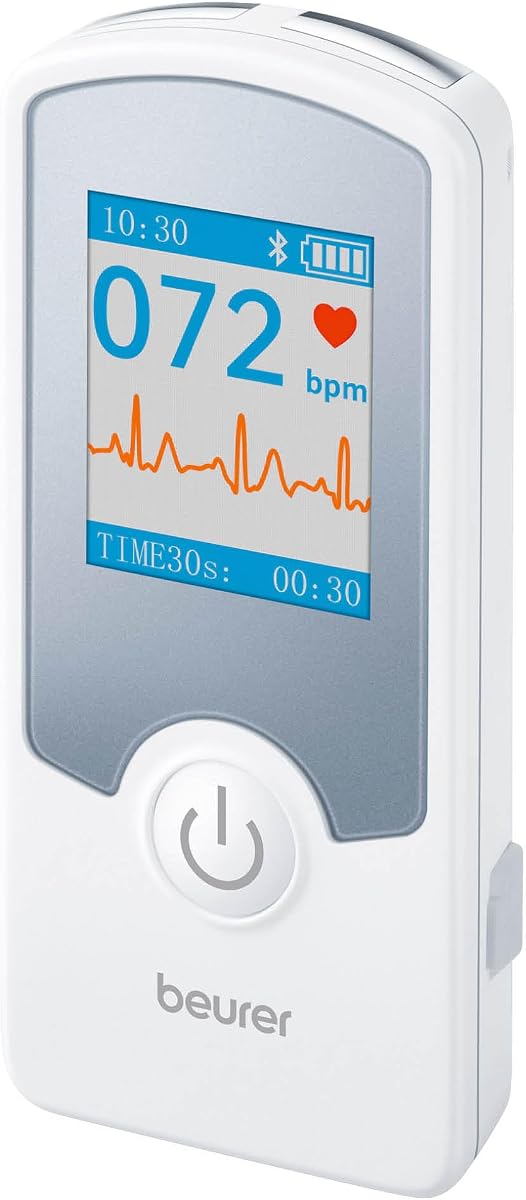
The Beurer Cardio Companion EKG brings German engineering precision to personal heart monitoring with a versatile three-lead design. It offers four different ways to measure, including hand-to-hand and hand-to-leg, increasing accuracy options.
We may earn a commission when you buy through this link, at no additional cost to you.
Results appear in under 30 seconds on a bright color display, making it easy to read without needing a phone. The optional app allows for unlimited storage via Bluetooth, but the device itself can store up to 100 readings locally.
This independence from the app is a significant benefit for users who want a dedicated tool that works standalone. However, it is not suitable for those with pacemakers or metal implants due to the electrical signals used in measurement.
If you value flexibility in positioning and a clear display without relying heavily on smartphones, this is a solid choice. It combines portability with reliable measurement modes, suitable for a wide range of daily monitoring needs.
The ability to measure from hand to leg or chest provides more data points than standard two-point monitors, improving detection reliability.
With local storage and a built-in display, you can use this device without any software dependencies, simplifying the user experience.
We may earn a commission when you buy through this link, at no additional cost to you.
Bioheart distinguishes itself by offering continuous 24/7 monitoring, which is critical for catching intermittent arrhythmias that spot checks might miss. The chest strap design is breathable and discreet, allowing for wear during sleep and exercise.
We may earn a commission when you buy through this link, at no additional cost to you.
Powered by advanced AI, the device provides real-time insights and summaries of your heart metrics. You can easily generate comprehensive PDF reports to share with your physician, facilitating better discussions about your heart health status.
While the battery life lasts 48 hours, the need for regular recharging is a minor trade-off for continuous coverage. The device is not intended for pacemaker users, but it remains a strong option for those seeking extended monitoring periods.
For individuals who feel their symptoms occur unpredictably or during sleep, this continuous approach offers peace of mind. It combines comfort with clinical-grade accuracy, making it a top premium choice for long-term heart health tracking.
Unlike devices you use briefly, this strap tracks every beat all day and night, capturing irregularities that happen during rest or activity.
Trusted by thousands of cardiologists and named a top invention, this device brings hospital-level monitoring capabilities to your home environment.
We may earn a commission when you buy through this link, at no additional cost to you.
The HaSoCare EKG Monitor provides a practical solution with an LCD screen and storage for viewing results directly on the device. It weighs only 60g, making it incredibly portable for checking your heart while on the go.
We may earn a commission when you buy through this link, at no additional cost to you.
With multiple monitoring modes including hand to hand and hand to leg, you can choose the position that works best for your specific needs. The device transfers data to computers via cable and phones via Bluetooth for detailed review.
It delivers professional analysis in 30 seconds, which is essential for timely awareness of heart rhythm changes. The lack of subscription requirements ensures that the device remains accessible and useful without ongoing financial commitments.
This model is well-suited for travelers or those who need a compact backup device. Its focus on portability and immediate readability makes it a convenient addition to your health management toolkit.
The integrated LCD screen lets you see your results immediately without needing to open an app or connect to another device first.
With both USB and Bluetooth options, you can move your heart data to different platforms easily for sharing with caregivers or doctors.
We may earn a commission when you buy through this link, at no additional cost to you.
The Garmin HRM 200 is designed primarily for fitness tracking but offers accurate real-time heart rate and variability data. It is ideal for users who exercise regularly and want to monitor heart strain during physical activities.
We may earn a commission when you buy through this link, at no additional cost to you.
With a 3 ATM water rating and machine-washable strap, it is built to withstand sweat and rain during intense workouts. The battery lasts up to a year, and the replaceable design ensures long-term usability without buying new hardware.
While it is not a medical device for diagnosing arrhythmias, its reliable transmission can help detect irregularities during exercise. It connects seamlessly with various fitness computers and apps, providing a robust platform for athletic performance.
If your goal is to maintain heart health through exercise while keeping an eye on rhythm data, this strap is a reliable partner. It is durable, comfortable, and integrates well into active lifestyles.
This device connects directly to workout computers and apps, letting you see your heart rate instantly while running or cycling.
The strap can be washed and resists water, ensuring it stays fresh and functional even after repeated intense workout sessions.
We may earn a commission when you buy through this link, at no additional cost to you.
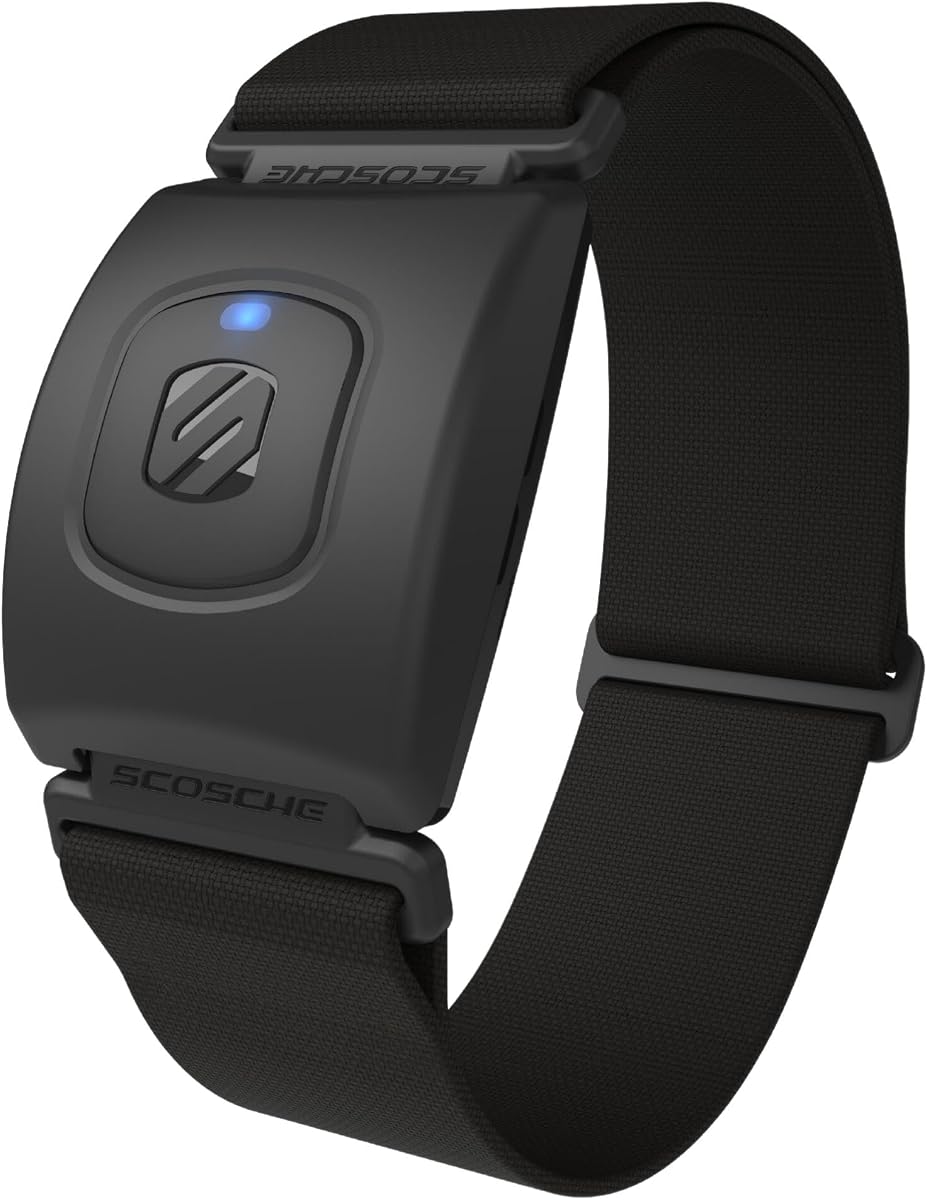
The Scosche Rhythm Armband offers a comfortable alternative to chest straps using optical heart rate technology. It captures RR interval data which allows for deeper insights into training and stress levels when paired with specific apps.
We may earn a commission when you buy through this link, at no additional cost to you.
Designed for workouts, it stays secure on the forearm or bicep and features IP68 waterproofing to handle sweat and rain. The battery lasts up to 24 hours, providing ample time for extended training sessions without interruption.
While it is not an EKG device, the HRV mode offers valuable recovery metrics that can indicate stress on the cardiovascular system. Its compatibility with major fitness apps makes it easy to track your heart health trends over time.
If you prefer a less restrictive design for daily activity monitoring, this armband provides excellent utility. It balances comfort with data richness, making it a great choice for active users focused on heart rate variability.
The ability to stream RRi data to HRV apps helps you understand your body's recovery status and stress levels effectively.
The armband design adjusts to your arm and stays in place during intense movement, avoiding the tightness of chest straps.
We may earn a commission when you buy through this link, at no additional cost to you.
The Polar Ft1 Heart Rate Monitor is a straightforward device designed for basic fitness tracking and heart rate awareness. It features a large display that makes it easy to read your current heart rate while exercising.
We may earn a commission when you buy through this link, at no additional cost to you.
With manual target zones and a coded transmission system, it helps you stay within your desired exercise intensity without interference from other devices. The included T31 chest strap ensures accurate signal transmission during activity.
While it lacks advanced connectivity found in modern smart devices, its simplicity and reliability make it a solid choice for focused workouts. It displays summaries of your latest workout to help you gauge progress over time.
If you need a no-frills monitor that focuses on core heart rate tracking without complex apps, this is a viable option. Its ease of use and clear display remain valuable for anyone prioritizing simplicity in heart monitoring.
The large screen ensures you can check your heart rate quickly without squinting or stopping your exercise routine.
One-button start and coded transmission make this device easy to operate for users of all technical skill levels.
We may earn a commission when you buy through this link, at no additional cost to you.
Choosing the right monitor depends on your specific health needs and lifestyle. This guide breaks down the key factors to consider before making your purchase decision.
Look for devices that are FDA-cleared or clinically tested to ensure the data you receive is accurate and reliable. Devices like KardiaMobile 6L provide medical-grade six-lead EKGs, which offer more precise detection of arrhythmias compared to optical sensors.
Prioritize models that use EKG electrodes over optical heart rate sensors if you need to detect specific cardiac irregularities.
Six-lead devices provide significantly more data than single-lead models, helping to identify a wider range of arrhythmias. More leads mean a more detailed view of your heart's electrical activity, which is beneficial for serious heart conditions.
If you need detailed data for your doctor, choose a device with multiple lead capabilities to capture comprehensive heart activity.
Some models include unlimited recordings without any fees, while others require a paid subscription for full access to advanced features. Always check if the device works standalone to avoid unexpected ongoing costs that could add up over time.
Select a model with no required subscription if you want a one-time purchase without recurring charges for your heart monitoring.
Consider how easy the device is to carry and use. Pocket-sized monitors that fit in a case allow you to test your heart rhythm anywhere, which is crucial if you experience symptoms while traveling or at work.
Choose a lightweight device that requires minimal setup so you can use it quickly when you feel symptoms occur.
Devices that allow you to share EKG reports via email or apps make it easier to consult with your physician. Bluetooth and smartphone integration enable real-time tracking and trend analysis, helping you spot changes in your heart health.
Look for models that support Bluetooth or USB connections to ensure you can easily share data with your healthcare team.
Long battery life ensures you are ready to record an episode when it happens. Rechargeable batteries are convenient for regular use, while replaceable ones offer simplicity for occasional users.
Ensure the device has enough power to last through your typical monitoring routine without needing frequent charging.
Many EKG monitors are not suitable for users with pacemakers or implanted defibrillators. Always check the manufacturer guidelines to ensure the device is safe for your specific condition.
If you have an implanted device, consult your doctor before using any personal heart monitor to avoid potential interference.
Checking verified user ratings can provide insights into real-world performance and reliability. High ratings often indicate satisfaction with accuracy and customer support, which are vital for health devices.
Prioritize brands with a strong reputation and positive user feedback to ensure you get a reliable product for your needs.
To get accurate readings, ensure your skin is clean and dry before placing the device or electrodes on your body. This helps maintain good contact and reduces noise that could affect the quality of your EKG trace.
Follow the specific instructions for placement, such as touching fingers to sensors or securing chest straps. Consistent positioning ensures that your data remains comparable over time, allowing you to track trends more effectively.
Regularly clean the device according to the manufacturer's guidelines to prevent buildup of oils or dirt. Proper maintenance extends the life of the product and ensures consistent performance whenever you need to use it.
Yes, specialized monitors like EKG devices can detect irregular rhythms such as atrial fibrillation. They analyze the electrical signals of your heart to identify patterns that differ from normal sinus rhythm, providing alerts or detailed reports for your doctor.
Most personal EKG monitors are safe for daily use as they do not emit harmful radiation. They rely on recording your heart's natural electrical signals rather than generating external energy, making them suitable for routine monitoring at home.
Many modern devices require a smartphone app to display results and store data. However, some models have built-in screens or allow data transfer to computers, giving you flexibility if you prefer not to rely on a phone.
Home EKG monitors are FDA-cleared and clinically validated to provide high accuracy for personal use. While they may not offer the same number of leads as hospital equipment, they are sufficient for detecting common arrhythmias and sharing results with professionals.
Most personal EKG devices are not recommended for users with pacemakers or ICDs due to potential interference risks. Always check the manufacturer's warnings and consult your healthcare provider before using any new monitoring device if you have an implant.
If the device flags an irregular rhythm, try to take another reading to confirm. If the result persists or you have symptoms like dizziness, contact your healthcare provider immediately for professional advice and potential further testing.
Many models like KardiaMobile offer unlimited recordings without subscriptions. However, some premium versions include optional services like cardiologist reviews that require a membership fee, so review the specific features included with your model.
Battery life varies by device but many modern units offer long-lasting or rechargeable batteries. Some models can last for years on a single charge or replacement, ensuring you are ready to record an event whenever it occurs.
We have explored ten top options ranging from simple budget-friendly devices to advanced continuous monitors. Each model offers unique strengths, whether you need a quick check or detailed long-term health data for your physician.
When choosing, prioritize accuracy, ease of use, and your specific health needs. Consider whether you prefer a pocket-sized tool for spot checks or a wearable strap for continuous monitoring during your daily activities.
Prices and availability are subject to change, so check current listings before buying. Selecting the right monitor gives you peace of mind and the ability to take proactive control of your heart health.