
APEXEL 100Ultra Macro Lens – Enhanced Version Smartphone Lens for iPhone
4.0Editor score
10X Magnification Power
Universal Clip-On Design
F1.05 Large Aperture
Discover the best Macro Lens for Insect Photography by comparing top-rated options for phones and cameras to capture stunning close-up details.
Capturing the intricate world of insects requires specialized equipment that can magnify tiny details without sacrificing image quality. Whether you are a hobbyist or a professional, choosing the right macro lens is essential for revealing the hidden beauty of nature.
This guide compares ten top-rated macro lenses designed for both smartphones and interchangeable lens cameras. We evaluated optical performance, magnification capabilities, build quality, and user feedback to provide a comprehensive overview of the current market offerings.
Each pick highlights specific strengths for insect photography, from budget-friendly phone attachments to premium dedicated glass. Note that product availability and pricing may change over time, so verify current details before making a purchase decision.
4.0Editor score

4.7Editor score
4.6Editor score
The following table provides a side-by-side comparison of all ten selected products to help you quickly identify key specifications and features relevant to your insect photography needs.


The Canon RF100mm F2.8 L Macro IS USM Lens stands out as a top-tier option for serious insect photographers. With a unique 1.4x maximum magnification ratio, it allows you to capture details that standard macro lenses cannot reach. Its high image quality is supported by advanced optical design and a bright fixed aperture.
We may earn a commission when you buy through this link, at no additional cost to you.
One of the standout features is the Hybrid IS system, which compensates for both angular and shift camera shake during macro shooting. This ensures sharp images even when shooting handheld at close distances. The Spherical Aberration control ring adds creative flexibility by letting you shape the bokeh character.
While the lens offers exceptional performance, it does come with a higher price tag compared to other options. Additionally, its weight and size make it less ideal for long treks in the field. However, for photographers prioritizing image fidelity and close-up capability, these trade-offs are often acceptable.
This lens is perfect for professionals or enthusiasts who own Canon EOS R series cameras and demand the best optical performance. If you are looking to elevate your insect photography with unmatched magnification and clarity, this is the ultimate choice.
The 1.4x magnification allows for extreme close-ups of insect eyes and wing structures that standard lenses miss.
The SA Control Ring lets you adjust foreground and background blur to isolate subjects artistically.
We may earn a commission when you buy through this link, at no additional cost to you.
The APEXEL 100Ultra Macro Lens is an excellent choice for mobile photographers looking to capture insect details without investing in heavy gear. Designed for iPhones and other smartphones, it offers 10X magnification and a lossless magnification technology that maintains clarity. The F1.05 aperture helps significantly in low-light conditions.
We may earn a commission when you buy through this link, at no additional cost to you.
Its universal clip-on compatibility makes it easy to use across different phone models. You can simply clip it onto your camera and start shooting insects from a comfortable distance without scaring them away. The multi-lens combination boosts light transmittance to 99.5% per lens.
Some users might experience vignetting depending on their phone model, and the clip mechanism requires careful alignment. However, for the price, the optical performance is impressive. It transforms a standard phone camera into a powerful macro tool.
This lens is ideal for hobbyists who want to explore macro photography on the go. If you are looking for a cost-effective way to shoot high-quality insect photos with your phone, this is a strong contender.
The HB100Ultra technology ensures that details remain sharp even at high magnification levels.
The clip design works with a wide range of smartphones, making it versatile for any user.
We may earn a commission when you buy through this link, at no additional cost to you.
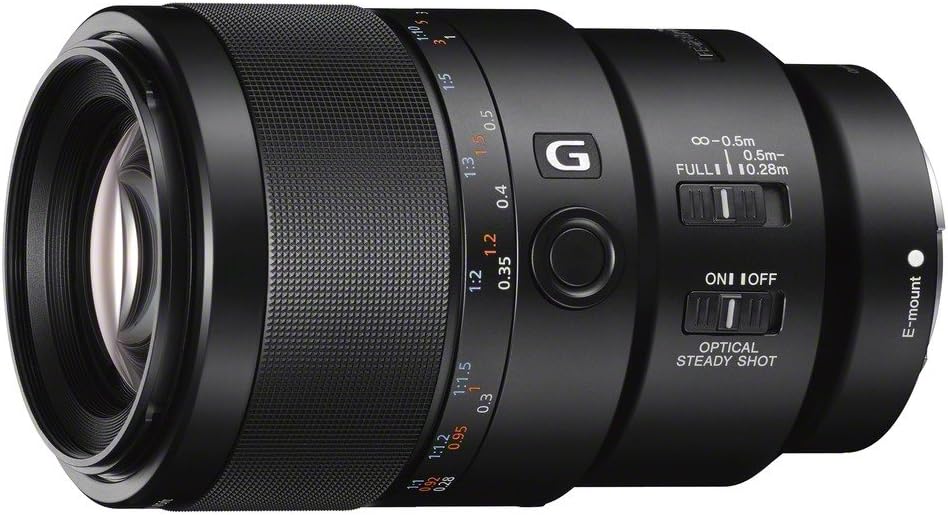
The Sony FE 90mm F2.8 Macro G OSS Full-Frame Lens is a premium tool designed for photographers who need reliability and exceptional image quality. It offers 1.0x magnification ratio and corner-to-corner sharpness. The optical stabilization allows for handheld shooting without a tripod.
We may earn a commission when you buy through this link, at no additional cost to you.
Its dust and moisture-resistant design makes it durable for outdoor field work in various weather conditions. Nano AR coating suppresses flare and ghosting, ensuring high contrast. The Direct Drive SSM ensures quiet and precise focusing when approaching shy subjects like insects.
While the cost is high, the build quality and optical performance justify the investment for professionals. The weight might be a drawback for long hikes, but the results are worth the effort. It is a robust choice for serious insect photography.
This lens is perfect for Sony shooters who want a dedicated macro tool that performs flawlessly. If you need a lens that handles everything from wildlife to products with equal grace, this is the top choice.
Dust and moisture resistance allows you to shoot in damp environments without worrying about damage.
This coating reduces flare and ghosting to maintain high contrast in complex lighting situations.
We may earn a commission when you buy through this link, at no additional cost to you.
The TTARTISAN 40mm f/2.8 Macro Lens is a fantastic option for photographers who appreciate manual focus and a compact build. It offers 1:1 magnification and a minimum focusing distance of 6.7 inches. Weighing just 13.1 oz, it is lighter than many competitors.
We may earn a commission when you buy through this link, at no additional cost to you.
The all-metal construction ensures durability while keeping the weight down for travel. The 11-blade design creates beautiful background blur which isolates subjects well. It uses dual LD glass to minimize aberrations and provide sharp clarity for small details.
Since it is manual focus, it requires patience and skill, but this allows for precise control. While it is designed for APS-C Sony cameras, it works well on full-frame bodies as well. The optical performance is excellent for the price point.
This lens is perfect for photographers who want a portable macro solution without breaking the bank. If you are comfortable with manual focusing and want a sturdy lens, this is a great choice.
The lightweight build makes it easy to carry on nature walks without fatigue.
Dual LD glass elements ensure sharpness and clarity in every shot.
We may earn a commission when you buy through this link, at no additional cost to you.
The ULANZI CL-003 Phone Macro Lens brings a professional look and feel to smartphone photography. It features 10x optical magnification and a tele-focusing operation that mimics DSLR methods. The design is robust with an aluminum alloy body.
We may earn a commission when you buy through this link, at no additional cost to you.
The 17mm thread allows for versatile mounting options using cold shoe clips or cases. The upgraded lens technology provides more light throughput and less distortion. You can capture millimeter details with natural bokeh effects.
This lens is more expensive than basic clip-ons but justifies the cost with better build quality. The precision optical design ensures clear images without heavy vignetting. It is a solid choice for serious mobile macro photographers.
This lens is ideal for users who want a DSLR-style experience on their phone. If you value durability and optical quality in a smartphone lens, this is a top recommendation.
Control shooting distance like a DSLR for better framing and subject interaction.
The 17mm adapter fits various cases for secure and easy installation.
We may earn a commission when you buy through this link, at no additional cost to you.
The FotoZ Macro Conversion Lens is a practical solution for photographers who want to convert their existing lenses into macro setups. It fits lenses with 37mm to 72mm threads and includes adapter rings. The 8 diopter power helps capture fine details.
We may earn a commission when you buy through this link, at no additional cost to you.
Its spring-loaded adapter attaches securely without tools, allowing quick switching between macro and normal photography. The 3-element design with multi-coated glass minimizes distortion and improves light transmission. It is a cost-effective way to explore macro.
While it depends on the quality of your primary lens, it is a great entry point. You do not need to buy a dedicated macro lens to get started. The convenience and versatility are high for this price.
This lens is perfect for photographers who want to test macro photography without a large investment. If you already have a lens you love, this adapter expands its capabilities effectively.
Supports a wide range of filter thread sizes making it highly versatile.
Instant snap-on mechanism ensures you never miss a shot while setting up.
We may earn a commission when you buy through this link, at no additional cost to you.
The Canon RF35mm F1.8 is Macro STM Lens is a versatile prime lens that doubles as a macro tool. While it offers 0.5x magnification rather than life-size, it gets close enough for many insect shots. The optical stabilization provides up to 5 stops of shake correction.
We may earn a commission when you buy through this link, at no additional cost to you.
It has a control ring for direct setting changes which speeds up workflow. The 12 pin communication system ensures fast and accurate focus with EOS R cameras. It is a compact lens that handles portraits and macro equally well.
For dedicated insect work, the 0.5x magnification may not be enough for extreme details. However, it is a great walkaround lens for general photography. The value lies in its dual functionality.
This lens is ideal for users who want a single lens for portraits and occasional macro work. If you prioritize versatility over extreme magnification, this is a strong choice.
Up to 5 stops of shake correction ensures sharp images in low light.
Direct access to aperture or ISO settings for faster adjustments.
We may earn a commission when you buy through this link, at no additional cost to you.
The 67mm Close-up Filter Kit provides four different diopter powers for flexibility. You can use them individually or stack them to create intermediate strengths. Each filter maintains resolution while magnifying the image. It is an economical way to try macro photography.
We may earn a commission when you buy through this link, at no additional cost to you.
The kit includes a pouch and lens cap for protection. Double threading allows you to attach polarizers. Note that you must verify your lens thread size before ordering to ensure compatibility. These filters screw directly onto your front element.
While convenient, high-end dedicated lenses offer better optical quality. However, for casual shooting or testing interests, this kit is excellent. The ability to stack filters is a great feature for experimentation.
This kit is perfect for photographers on a tight budget who want variety. If you want to experiment with different magnification levels without buying multiple lenses, this is a smart option.
Combine filters to increase magnification power for closer shots.
Safe storage ensures your filters stay clean and scratch-free in your bag.
We may earn a commission when you buy through this link, at no additional cost to you.
The Xenvo Pro Lens Kit includes a 15x macro lens and a wide-angle option plus a light. It is compatible with all smartphones and tablets. The LED light fills in shadows which is crucial for small subjects. The case protects all components.
We may earn a commission when you buy through this link, at no additional cost to you.
The TruGrip clip ensures lenses stay attached during use. The LED offers three brightness settings to suit different environments. Multi-element coated glass minimizes artifacts and glare. It is a complete kit for beginners.
Optically, it is not as sharp as dedicated phone lenses. However, the convenience of having a light and case makes it a great travel kit. It covers many bases for general photography.
This kit is ideal for travelers who want versatility. If you want a complete mobile photography starter pack, this is a reliable choice.
The rechargeable LED helps illuminate details in dark or shaded areas.
Includes both macro and wide angle lenses for flexible shooting scenarios.
We may earn a commission when you buy through this link, at no additional cost to you.
The AstrHori 25mm F2.8 is designed specifically for extreme macro work with a 2-5x magnification range. It captures images that surpass life-size proportions. The wide-angle configuration provides greater depth of field than longer macro lenses.
We may earn a commission when you buy through this link, at no additional cost to you.
Manual focus allows precise control which is essential at this magnification. It does not support infinity focus as it is dedicated to close-up shooting. The slim design facilitates handheld use and provides space for lighting equipment.
This lens is niche and best for those focused entirely on macro. It is not a general-purpose lens. For those needing extreme detail of textures or structures, it is a specialized tool.
This lens is perfect for macro enthusiasts who need beyond 1x magnification. If you need to capture details that are invisible to the naked eye, this is the right tool.
Captures details that exceed life-size proportions for scientific or artistic purposes.
Tactile control ensures accurate focus on tiny subjects without relying on autofocus.
We may earn a commission when you buy through this link, at no additional cost to you.
Selecting the right macro lens involves considering magnification, camera compatibility, and your budget. This guide breaks down the key factors to help you choose.
Magnification determines how close you can get. 1:1 is standard for life-size; 2:1 or higher is needed for extreme details.
Choose based on your subject size and desired detail level.
Ensure the lens matches your mount. Interchangeable lens cameras need E-mount or RF mounts while phones need clip-on lenses.
Always check the compatibility list before buying to avoid fit issues.
Wider apertures like f/2.8 allow more light which is crucial in low-light field conditions.
Look for f/2.8 or wider to ensure better image quality in natural light.
Insect photography often happens outdoors. Weather sealing and durable materials are vital for longevity.
Invest in robust metal or sealed lenses if you shoot in harsh environments.
Manual focus offers precision but auto-focus provides speed. Consider your workflow and comfort with focus methods.
Choose manual for control or auto for quick shots of moving insects.
Budget lenses are often clip-ons or close-up filters. Premium lenses are dedicated optics with superior performance.
Set a budget that balances cost with the optical quality you need.
To get the best results, mount your lens securely and clean it before use. Use a tripod or steady surface to avoid shake at high magnification.
Focus manually by turning the ring slowly until the insect is sharp. Ensure adequate lighting using natural light or an external flash if needed.
After shooting, wipe the lens with a microfiber cloth and store it in a protective case. Avoid touching the glass with fingers to keep it clear.
For most insects, 1:1 magnification is sufficient. However, for tiny insects like aphids or ants, 2:1 or higher reveals more detail. Choose based on your subjects.
Yes, many macro lenses function as high-quality primes. Some dedicated ultra-macros lack infinity focus so always check specs before shooting landscapes.
While not mandatory, a tripod is highly recommended for stability. Shake is amplified at close distances so a stable base ensures sharper images.
Use a soft microfiber cloth and lens spray. Avoid harsh chemicals and do not wipe dry dirt to prevent scratching the coating.
Clip-on lenses are great for hobbyists and social media. For professional work, dedicated glass offers better clarity and dynamic range.
Use f/8 to f/11 for more depth of field. Wider apertures like f/2.8 isolate subjects but have a very thin plane of focus.
Choosing the right macro lens depends on your specific needs and camera type. The Canon RF100mm offers premium performance while the APEXEL option is great for mobile users.
Prioritize magnification and build quality to ensure you can capture the details you need. Whether you choose a dedicated lens or an adapter, practice makes perfect.
Remember that prices and availability change frequently. Check current listings and read recent reviews before making your final decision.