
Garmin inReach Mini 2
4.6Editor score
Two-way messaging capability
Up to 14 days battery life
TracBack routing navigation
This guide compares the top 10 locator beacons for hiking the Pacific Crest Trail to help you choose the right safety device for your wilderness journey.
Choosing a reliable locator beacon for hiking the Pct is crucial for safety in remote wilderness areas. These devices ensure you can summon help even when cellular coverage is unavailable during your trek.
We compared ten top-rated personal locator beacons and satellite communicators based on performance reliability and ease of use. Each product offers unique features to keep you connected in the backcountry.
Each pick highlights key specifications and real-world capabilities to help you make an informed decision. Please note that product prices and availability may change over time so check current listings.
4.6Editor score

4.8Editor score
4.5Editor score
Compare these top 10 locator beacons side by side to find the perfect safety companion for your Pacific Crest Trail adventure and other outdoor expeditions.


The ACR ResQLink View RLS PLB stands out as the top choice for hikers seeking ultimate reliability on the Pct. With a rating of 4.8 stars it offers proven performance and critical safety features without monthly fees.
We may earn a commission when you buy through this link, at no additional cost to you.
Its Return Link Service confirms that rescue teams have received your distress signal providing peace of mind during emergencies. The device utilizes GPS Galileo and MEOSAR constellations for precise global positioning ensuring rapid response.
While the price point is higher than basic models the five year battery life and no subscription requirement make it cost-effective over time. The compact design fits easily in gear but remains robust enough for harsh conditions.
This beacon is ideal for serious hikers who prioritize confirmed communication and long-term reliability. If you want a device that works independently of cellular networks and provides visual and signal confirmation this is the best option.
This feature sends a digital confirmation to the beacon owner that rescue authorities have received the distress signal reducing uncertainty in life-threatening situations.
With no subscription fees and a five year battery life this device saves money over years of use compared to subscription-based communicators.
We may earn a commission when you buy through this link, at no additional cost to you.
The Garmin inReach Mini 2 is a premium satellite communicator that enables two-way messaging and interactive SOS globally. With a rating of 4.6 it excels in keeping you connected with family and rescue teams on the Pct.
We may earn a commission when you buy through this link, at no additional cost to you.
Key strengths include the ability to send and receive text messages via the Iridium network ensuring you can negotiate rescue details or provide updates. The TracBack routing helps you retrace your steps if you get lost.
While it requires an active subscription which adds ongoing cost the flexibility of two-way communication and weather updates justifies the investment for many hikers. The battery lasts up to 14 days in tracking mode.
This device is perfect for hikers who want more than just SOS alerts and prefer full connectivity. If you value real-time updates and navigation tools alongside safety this premium communicator is the top choice.
You can communicate with the 24/7 monitoring center to provide context during an emergency ensuring rescuers know exactly what you need.
Detailed weather forecasts are sent directly to the device allowing you to plan your hiking schedule around upcoming storms.
We may earn a commission when you buy through this link, at no additional cost to you.
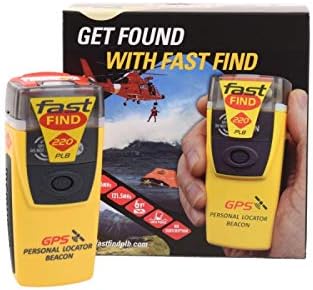
The McMurdo FastFind 220 offers an affordable entry point for hikers needing a reliable personal locator beacon without subscription fees. With a 4.5 rating it delivers essential safety features in a rugged compact package.
We may earn a commission when you buy through this link, at no additional cost to you.
Its primary strength is simplicity and cost-effectiveness. Pre programmed for US registration it allows quick activation in emergencies by deploying the antenna and pressing the button. It connects to the COSPAS-SARSAT system for global rescue.
While it lacks two-way messaging and is fixed to US registration the absence of monthly fees makes it ideal for budget-conscious hikers on the Pct. It remains a trusted option for basic emergency signaling.
This beacon is recommended for solo hikers or those on a tight budget who prioritize basic SOS safety over communication features. If you want a no-frills device that works reliably this model is the best value.
The intuitive design ensures you can activate the beacon quickly even with cold hands or under stress using just one hand.
Unlike communicators this device has no service plans making it a cost-effective solution for occasional hikers or long-term storage.
We may earn a commission when you buy through this link, at no additional cost to you.
The ACR ResQLink View PLB425 is a buoyant personal locator beacon designed for versatility in various outdoor environments. Rated 4.6 it provides reliable emergency signaling with GPS positioning and no subscription requirements for Pct hikers.
We may earn a commission when you buy through this link, at no additional cost to you.
Its standout feature is buoyancy allowing it to float if dropped in water which adds an extra layer of safety near rivers or lakes along the trail. It includes multiple attachment clips for easy wearability on gear.
While it is slightly heavier and lacks the return link service found in newer models it remains a robust choice for hikers needing a floating beacon. The strobe light ensures visibility during night operations.
This beacon is best for hikers who traverse water-heavy sections of the Pct and want a device that stays visible. If buoyancy is a priority for your route this model offers essential safety features at a competitive price.
The buoyant design ensures the device stays afloat if dropped in water increasing the chances of recovery and visibility during rescue.
A bright LED strobe light enhances visibility for rescuers locating you at night or in low-light conditions.
We may earn a commission when you buy through this link, at no additional cost to you.
The Ocean Signal rescueME PLB1 is the most compact personal locator beacon available making it ideal for hikers who need to minimize pack weight on the Pct. It features a 4.6 rating for reliable performance.
We may earn a commission when you buy through this link, at no additional cost to you.
Weighing just four ounces it is 30% smaller than comparable models and fits easily in any pocket or backpack. One-handed operation ensures you can activate it quickly even while hiking or holding gear.
While it has fewer attachment options than larger beacons its simplicity and portability are unmatched. The seven-year battery life means it is ready to go for many seasons without needing a battery replacement.
This beacon is perfect for ultralight hikers who prioritize space and weight savings. If you need a small reliable SOS device that takes up minimal room this compact model is the best choice.
Weighing only four ounces this beacon reduces pack load significantly while still providing critical emergency signaling capabilities.
The intuitive button layout allows you to deploy the antenna and press the button with one hand during an emergency.
We may earn a commission when you buy through this link, at no additional cost to you.
The ZOLEO Satellite Communicator offers unique network flexibility by using cellular Wi-Fi or satellite networks depending on availability. With a 4.4 rating it provides affordable connectivity options for Pct hikers needing regular check-ins.
We may earn a commission when you buy through this link, at no additional cost to you.
It uses the lowest cost network available to transmit messages ensuring cost-effective communication. The device offers unlimited check-ins and GPS tracking features allowing you to share your location with family easily.
While it requires a monthly service plan the costs are affordable starting at low rates. The IP68 rating ensures durability against dust and water which is critical for rugged trail conditions.
This communicator is best for hikers who want cost-effective messaging and don't mind setting up via smartphone. If you need regular connectivity with affordable plans this flexible device is a strong contender.
It automatically switches between cellular Wi-Fi or satellite networks to send messages ensuring connectivity whenever available.
Service plans start at a low monthly rate making it accessible for hikers who need regular communication without expensive fees.
We may earn a commission when you buy through this link, at no additional cost to you.
The Garmin inReach Mini 2 Bundle provides a complete solution for hikers needing full satellite communication. With a 4.6 rating it includes the device plus essential accessories to keep you powered up on the Pct.
We may earn a commission when you buy through this link, at no additional cost to you.
This bundle includes USB cables adapters and a portable battery charger ensuring you never run out of power during long treks. It supports two-way messaging and SOS capabilities via the Iridium network for global safety.
While the bundle price is higher than the device alone it offers significant value by including necessary gear. The TracBack routing and weather updates add essential navigation and safety tools for remote hiking.
This package is perfect for hikers who want a ready-to-go kit without buying accessories separately. If you value convenience and all-in-one reliability for your adventure this bundle is a great choice.
Includes a portable battery charger and adapters so you can keep the device charged throughout your entire trip without extra purchases.
Features TracBack routing and weather updates to help you navigate safely and avoid hazardous conditions on the trail.
We may earn a commission when you buy through this link, at no additional cost to you.
The Garmin inReach Mini Renewed offers a cost-effective way to access satellite communication for Pct hiking. With a 4.2 rating it provides the essential features of the standard model at a reduced price.
We may earn a commission when you buy through this link, at no additional cost to you.
It supports two-way text messaging using the Iridium network and includes downloadable maps for offline navigation. Weather forecast features help you plan hiking days safely and stay informed on conditions.
As a renewed product it may have minor cosmetic wear and carries a limited warranty but functionally it performs like new. This option is ideal for budget-conscious hikers who need full connectivity.
This device is best for hikers seeking full satellite features without the premium price of a new unit. If you are comfortable with refurbished electronics this model offers excellent value for money.
Buying a renewed unit provides significant savings while still offering the same core satellite communication and navigation capabilities.
You can download maps directly to the device for navigation even when there is no cellular or satellite signal available.
We may earn a commission when you buy through this link, at no additional cost to you.
The Motorola Defy Satellite Link is an affordable companion device for smartphone users needing satellite messaging on the Pct. With a 3.7 rating it offers basic two-way SMS and SOS capabilities at a low entry cost.
We may earn a commission when you buy through this link, at no additional cost to you.
It pairs with iOS or Android smartphones to send texts and receive location updates. The check-in button allows you to quickly share coordinates with family without needing to type complex messages on your phone.
While it relies on a smartphone app which adds complexity the service plans are among the lowest available. This makes it attractive for casual hikers who want occasional connectivity without a dedicated communicator.
This device is best for hikers who already have smartphones and want a cheap satellite add-on. If you need occasional check-ins at low cost this companion tool is a budget-friendly option.
Service plans start at a very low monthly rate making satellite access affordable for occasional use or short trips.
Pairs with your existing smartphone to handle messaging allowing you to avoid carrying a separate communication device.
We may earn a commission when you buy through this link, at no additional cost to you.
The ACR Bivy Stick is an app-based satellite communicator designed for modern hikers who prefer digital interfaces. With a 3.8 rating it offers GPS tracking SOS and offline maps using the Iridium network.
We may earn a commission when you buy through this link, at no additional cost to you.
It provides a dedicated email and SMS number allowing contacts to reach you directly. The group messaging feature is useful for families or teams hiking together on the Pct to stay coordinated.
While it depends on a smartphone app for full functionality the offline maps add valuable navigation capability. The service plans offer various tiers to fit different usage needs and budgets.
This communicator is best for hikers who want app-driven navigation and messaging features. If you value group coordination and offline maps this digital tool is a strong option for modern trips.
Allows team members to message and share locations within a group ensuring everyone stays connected and safe on the trail.
Download maps ahead of time to navigate confidently without cell or satellite signals in remote wilderness areas.
We may earn a commission when you buy through this link, at no additional cost to you.
Selecting the right locator beacon requires considering connectivity type battery life and subscription requirements to match your hiking needs.
A basic Personal Locator Beacon (PLB) only sends an SOS signal to rescue teams which is essential for emergencies but does not allow communication. A satellite communicator enables two-way messaging letting you update family or negotiate rescue details.
Choose a PLB if you only need emergency signaling and a communicator if you want regular contact and flexibility during your hike.
PLBs like the ACR ResQLink or McMurdo FastFind do not require monthly service fees making them cost-effective for occasional hikers. Communicators like the Garmin inReach require active satellite subscription plans.
Evaluate your budget and trip frequency to decide if avoiding recurring fees is more important than having monthly messaging features.
Most PLBs have batteries that last 5 to 7 years without use but only provide limited operational time after activation. Communicators offer rechargeable batteries lasting 10 to 14 days with tracking enabled.
Consider whether you need long standby time for annual trips or extended operational life for multi-week expeditions on the Pct.
The Pct demands lightweight gear so choosing a compact beacon is critical. Devices like the Ocean Signal PLB1 weigh only 4 ounces while communicators may be slightly heavier but offer more features.
Prioritize models that are easy to carry on your pack without adding unnecessary bulk or weight to your setup.
PLBs use the COSPAS-SARSAT system which provides global coverage through low earth orbit satellites. Communicators use networks like Iridium which offer 100% global coverage and faster communication speeds.
Ensure the device supports the satellite constellations relevant to the regions you will be hiking to maintain reliable signal strength.
Modern communicators often include digital compasses weather forecasts and offline maps like the Garmin inReach. These tools help you navigate better beyond just sending emergency signals.
If you value navigation assistance alongside safety choose a communicator that integrates these advanced features into the device.
PLBs must be registered with the national authority in your country to be effective in emergencies. Some models like the McMurdo FastFind are pre-programmed for US codes but may not register elsewhere easily.
Check that the device supports registration in your country of residence to ensure authorities can identify you when activated.
Hiking gear must withstand water dust and impact. Look for devices with IP68 ratings or MIL-STD-810 certification to guarantee reliability in harsh wilderness conditions.
Choose a beacon with a rugged design that can survive drops exposure to elements and extreme weather during your trip.
Always register your beacon with the relevant authorities before your trip. Ensure your contact details are up to date so rescuers can notify your emergency contacts when the device is activated.
Test the device regularly using the self-test feature provided in the instructions. Keep it accessible on your outer pack or belt clip rather than buried deep in your bag for quick activation.
Store the device in a dry place and avoid extreme heat or prolonged sunlight exposure. Replace or recharge batteries according to manufacturer guidelines to ensure it functions correctly when needed.
Personal Locator Beacons (PLBs) like the ACR ResQLink or McMurdo FastFind do not require subscriptions. However, satellite communicators like the Garmin inReach do require an active monthly or annual plan for messaging services.
Yes, PLBs work globally using the COSPAS-SARSAT system. They provide emergency signaling anywhere on the Pct but do not allow you to send text messages or updates to family.
Most modern beacons activate in seconds once the cover is opened or the button is pressed. Models like the Ocean Signal rescueME PLB1 are designed for one-handed operation in emergencies.
No, PLBs only send distress signals with your GPS location to rescue authorities. To text family, you need a satellite communicator like the Garmin inReach or ZOLEO.
GPS and Galileo are both satellite constellations used for location tracking. Devices using both like the ACR ResQLink RLS offer better accuracy and signal availability in remote areas.
Most beacons must be activated above water. While some models like the ACR PLB425 float to help visibility, they cannot transmit signals while submerged underwater.
Monthly plans for communicators vary from $20 to $50 depending on features and data limits. Annual plans usually offer discounts compared to monthly billing.
Yes, activating a beacon for anything other than a real emergency is illegal in most places. Use self-test modes provided by the manufacturer to check functionality.
The ACR ResQLink View RLS PLB and Garmin inReach Mini 2 offer the best balance of reliability and features for Pct hikers. Whether you choose a PLB or communicator depends on your need for messaging versus simple SOS.
Prioritize devices with long battery life rugged design and clear activation methods for emergencies. Subscription costs should also be weighed against your budget and trip duration before making a final decision.
Check current prices and reviews before purchasing as features and costs can change. Selecting the right beacon ensures you stay safe while enjoying the beauty of the Pacific Crest Trail.